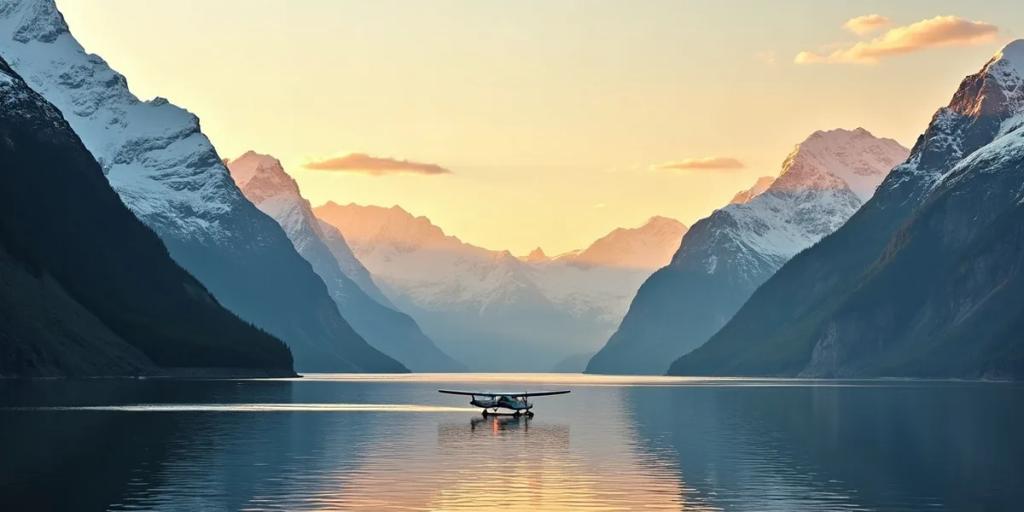
Alaska is a US state, so a United States eSIM covers it on the major American networks (AT&T, T-Mobile and Verizon coverage) - but the coverage map looks nothing like the Lower 48. Signal is concentrated in Anchorage, Fairbanks and Juneau, along the Kenai Peninsula, and in the Inside Passage cruise ports; between them sit some of the largest dead zones in North America. Plan around that and staying online here is easy.
Expect solid 4G, with 5G growing, in Anchorage, Fairbanks and Juneau, plus reliable coverage in Seward, Homer, Palmer, Wasilla, Talkeetna and the cruise towns of Ketchikan, Skagway, Sitka and Icy Strait Point. The main road corridors mostly work too: the Seward Highway and the Parks Highway (Anchorage to Denali to Fairbanks) have coverage in every town, with 20-40 minute gaps through Turnagain Arm and the mountain passes.
Then it ends. Deep inside Denali National Park past the first miles of the park road, on glacier flightseeing routes, along most of the Dalton Highway and on open water, no carrier has signal - not the national networks and not GCI, Alaska's homegrown carrier (deepest rural footprint in the state, but it sells to residents, not visiting tourists). Download offline maps before leaving Anchorage; GPS keeps positioning you without any signal, so navigation survives every gap.
Most visitors see Alaska from a ship, and this is where travelers get burned. Once you sail, your phone can latch onto the ship's "cellular at sea" network, which bills through your home line at maritime rates - often dollars per megabyte, so one automatic photo backup can outcost the excursions. The routine that works: airplane mode whenever the ship is moving, eSIM on the moment you dock. Juneau, Skagway, Ketchikan and Sitka are normal American towns with normal 4G, so port days give you full-speed maps to the Mendenhall Glacier shuttle, calls home and whale-photo uploads. One caveat: when several ships tie up in a town of a thousand people, midday speeds can sag on the shared small-town towers - do big uploads early. The full Alaska cruise playbook covers ship Wi-Fi costs too.
- Tour operators run on your phone: flightseeing, whale watching and glacier trips confirm, delay and cancel by text or email, and Alaska weather changes fast enough that reschedules are routine. Miss the text, miss the trip.
- Uber and Lyft operate in Anchorage and in Juneau; in the smaller ports it is taxis and shuttle buses, often booked by phone.
- Safety information is online: bear activity notices, trail closures, NOAA weather, and the tide tables that matter if you walk beaches near Homer or Turnagain Arm.
- Tap-to-pay is standard in towns and ports, as anywhere in the US; keep a little cash for the most remote stops.
Most itineraries start at Ted Stevens Anchorage International Airport. There is no rail link into town - it is taxis, rideshare or the local People Mover bus - so the first thing you do on landing is open a ride app, which is why installing the eSIM before you fly beats hunting airport Wi-Fi. Many cruises depart from Vancouver instead; a US eSIM does not cover Canada, so add a Canada eSIM for pre-cruise days there.
Cruise passengers using data only on port days get through a 7-day sailing on 1-3GB. Road trippers running daily navigation, messaging and photo sharing want 3-5GB per week; add headroom for photo backup over data - backing up in town means a soaked phone does not take your glacier shots with it.
Layers, always - an Alaskan July day can run from 8C at a glacier to 22C in Fairbanks sunshine. A waterproof shell is non-negotiable in Southeast Alaska (Ketchikan is one of the rainiest towns in the US), and glacier days need a warm layer even in midsummer, because the wind coming off the ice is its own season. On trails, make noise and carry bear spray where it is allowed - buy it locally, since you cannot fly or cruise with it.
The classic Denali reflection shots come from Reflection Pond near Wonder Lake, deep inside the park - access along the park road has been restricted for years by the Pretty Rocks landslide, so check current conditions and treat the roadside Denali viewpoints on the Parks Highway near Talkeetna as the reliable fallback. Either way, the mountain hides in cloud more days than not, so shoot it the moment it shows. Glacier calving: stay at the deck rail, listen for the crack, and hold burst mode - it is over in seconds. Whale tails reward patience and zoom over posing: frame the blow, then wait for the dive. Northern lights run roughly September to April; get away from city light (Fairbanks is the base for a reason) and steady your phone on something solid.
The US bought Alaska from Russia in 1867 for $7.2 million - about two cents an acre. The state has more coastline than all the other US states combined. And it is the emptiest state in the union: barely more than one person per square mile, versus about 94 for the US average.
The Iditarod's ceremonial start fills downtown Anchorage on the first Saturday of March, capping Fur Rendezvous ("Fur Rondy"), the city's late-February winter carnival. In June the calendar flips to midnight-sun mode: Fairbanks throws its Midnight Sun Festival around the solstice, and the Midnight Sun Baseball Game has been played at night without artificial lights since 1906.
The rave is real: scenery at a scale nothing in the Lower 48 prepares you for, wildlife that actually shows up (whales, bears, moose wandering Anchorage), and cruising that puts glaciers in front of you with zero logistics. The gripes are real too: the season is short and much of the state effectively closes October to April, port towns of a few thousand people absorb four ships' worth of passengers at once, prices run high everywhere, and Southeast Alaska will rain on some of your days - pack for it and it stings less.
At the entrance area, yes - the visitor center, the Nenana Canyon hotel strip and Healy have usable coverage. Deeper along the restricted park road no carrier has signal, so treat the park interior as offline and download maps before the bus.
Not while sailing - at sea the only options are ship Wi-Fi and the expensive maritime network your phone should never touch (airplane mode when moving). It works at full speed the moment you dock in any Alaskan port.
The towns and highways stay covered year-round, which is what aurora trips to Fairbanks actually use. Remote winter lodges are as offline as remote summer ones, and with short daylight, live road-condition checks along the Parks Highway are worth their data.