Rock in Rio 2026: Dates, What to Expect & Staying Connected
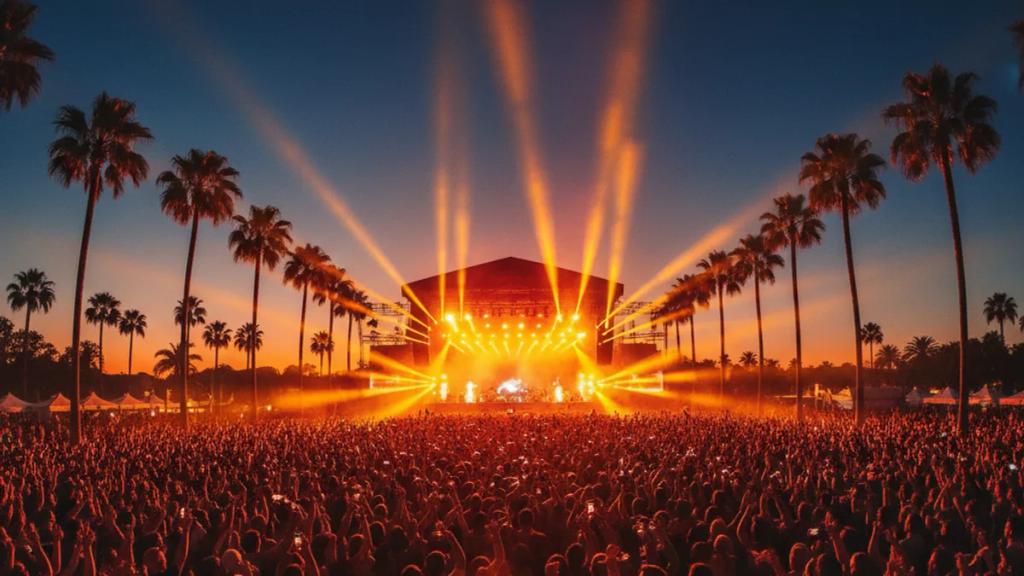
Rock in Rio 2026 runs from 4 to 13 September at the Cidade do Rock in Barra da Tijuca, Rio de Janeiro - two festival weekends and around 100,000 people per day. The dates are official (confirmed on rockinrio.com), the venue is cashless, and the practical challenges repeat every edition: tickets sell out in pre-sale, the trip out to Barra takes longer than visitors expect, and the mobile network collapses at exactly the moment 100,000 people leave at 1am trying to open a rideshare app. This guide covers what to expect on the ground and the connectivity plan - because a Brazil eSIM from €2.52 is cheaper than roaming and works the moment you land.
When exactly is Rock in Rio 2026?
The 2026 edition runs across two weekends between Friday 4 September and Sunday 13 September at the Cidade do Rock, the festival's purpose-built site in Rio's Olympic Park area in Barra da Tijuca. Not every date inside that window is a show day - the festival splits into two blocks with a mid-week break, and each day has its own lineup and its own ticket, so check the day-by-day split on the official site before you buy.
Timing realities worth planning around:
- Gates open in the early afternoon; headliners close the Palco Mundo after midnight. A full day at the Cidade do Rock is a 10-12 hour commitment.
- The first weekend brackets Brazil's Independence Day (7 September) - expect heavier traffic all over Rio.
- Early September is the tail end of Rio's dry season: warm days in the mid-to-high 20s C, cooler after midnight when you are queueing to leave.
What should a first-timer expect at the Cidade do Rock?
A huge, polished, city-sized operation - closer to a theme park than a muddy field festival. The Palco Mundo hosts the global headliners, the Sunset stage runs the collaborations and Brazilian acts, and around them sit electronic stages, a giant Ferris wheel, a zip line, and food streets.
The honest parts: day tickets sell out fast in the "Rock in Rio Card" pre-sale, and recent editions have priced standard full-day tickets around R$ 700-800 (roughly 130-150 USD) before VIP tiers. Food and drink inside are priced like an airport. And the site is cashless - payments run on card and phone, not paper money - so a dead phone or an unusable foreign card means a hungry evening. Bring a physical card that works internationally as backup.
Why does your phone die exactly when Rock in Rio ends?
Because 100,000 people per day share the same few cell sectors, and they all need data at the same moments. Brazilian operators (Vivo, Claro, TIM) roll portable towers into Barra for the festival, but physics wins: during headline sets uploads crawl, and the true collapse comes at closing time. Around 1am, tens of thousands of people pour out of the Cidade do Rock and simultaneously try to open Uber or 99 - the exact apps that need live data to work - while the network is at its most crushed. Surge pricing spikes, pins refuse to load, drivers cancel because riders cannot be found.
What actually helps:
- Agree a physical meeting point before you enter (the Ferris wheel is the classic landmark) - do not rely on live location sharing at 11pm.
- Send texts and voice notes, not calls - small payloads survive congestion far better.
- Set your exit plan while the network still works: agree a pickup street a 15-20 minute walk from the gates before the last act.
- Download offline maps of Barra da Tijuca and save your ticket QR code offline.
- Upload later: post the day's videos from hotel Wi-Fi, not from the crowd.
What is the best connectivity setup for Rock in Rio?
A Brazil eSIM installed before you fly. Roaming daily passes typically bill 5-12 EUR/USD per day for the same congested signal, and buying a local SIM in Brazil as a foreigner often runs into CPF (tax ID) requirements. A prepaid Brazil eSIM sidesteps both - a fixed data bundle on a Brazilian host network at local rates:
| Data | Duration | Price |
|---|---|---|
| 1GB Data | 7 Days | €2.52 |
| 3GB Data | 15 Days | €6.88 |
| 5GB Data | 30 Days | €11.48 |
| 10GB Data | 30 Days | €20.38 |
| 20GB Data | 30 Days | €39.34 |
| 50GB Data | 30 Days | €92.98 |
| 1 Day | 1 Day | €5.59 |
| 2 Days | 2 Days | €7.21 |
| 3 Days | 3 Days | €9.64 |
| 4 Days | 4 Days | €12.07 |
| 5 Days | 5 Days | €15.31 |
| 6 Days | 6 Days | €18.55 |
| 7 Days | 7 Days | €21.79 |
| 8 Days | 8 Days | €23.41 |
| 9 Days | 9 Days | €25.84 |
| 10 Days | 10 Days | €27.46 |
| 11 Days | 11 Days | €29.89 |
| 12 Days | 12 Days | €32.32 |
| 13 Days | 13 Days | €33.94 |
| 14 Days | 14 Days | €35.56 |
| 15 Days | 15 Days | €37.99 |
| 16 Days | 16 Days | €39.61 |
| 17 Days | 17 Days | €40.42 |
| 18 Days | 18 Days | €42.04 |
| 19 Days | 19 Days | €44.47 |
| 20 Days | 20 Days | €46.09 |
| 21 Days | 21 Days | €48.52 |
| 22 Days | 22 Days | €50.95 |
| 23 Days | 23 Days | €53.38 |
| 24 Days | 24 Days | €55.81 |
| 25 Days | 25 Days | €58.24 |
| 26 Days | 26 Days | €60.67 |
| 27 Days | 27 Days | €63.10 |
| 28 Days | 28 Days | €65.53 |
| 29 Days | 29 Days | €67.96 |
| 30 Days | 30 Days | €70.39 |
Your home number stays live on dual SIM for calls, texts, and bank verification codes - which matters at a cashless festival where your card app may ask for one - while data runs on the Brazilian network. Install the QR code at home on Wi-Fi, switch the line on when you land, and you are online before arrivals.
Not sure how much data a festival week burns? Rideshares, maps, messaging your group across the site, and a daily flood of concert video add up fast - estimate it:
How do you get to Barra da Tijuca and back?
The Cidade do Rock sits in Barra da Tijuca, roughly 30 km from Copacabana and Ipanema, and getting there is half the logistics battle. The proven route is Metro Line 4 to Jardim Oceânico, then the dedicated BRT connection toward the Olympic Park - services are reinforced on show days. Official festival transfer buses from points around the city, bookable in advance, are the least stressful ride home at 2am.
Driving is the trap: parking is limited, the surrounding avenues jam solid, and rideshare pickups at closing time combine surge pricing with the network congestion described above. If you do use Uber or 99, walk away from the gates first - both apps need data to match you, which is exactly why a working local data plan is not optional here. Buy transit cards before the late-night return, when queues are longest.
Is Rio safe for Rock in Rio, and what should you plan around?
Mostly yes, with city-sense. The festival is heavily policed and well organized inside the perimeter; the risks are the ordinary big-city ones outside it. Phone snatching is the classic Rio tourist complaint, and a festival crowd at 1am is prime territory - keep the phone in a front pocket or crossbody bag, do not wave it around at the exits, and stick to official transport or rideshares picked up away from the crush.
Also plan for your body: September days are warm, the site is vast and mostly open, and you will stand for hours. Carry a water bottle, wear real shoes, and sunscreen the daytime sets.
The bottom line
Rock in Rio 2026 runs 4 to 13 September at the Cidade do Rock in Barra da Tijuca - officially confirmed, two weekends, around 100,000 people per day. Buy your specific day early, agree a meeting point before the network jams, plan your exit before the headliner ends, and land with connectivity sorted: a Brazil eSIM from €2.52 installed at home means your rideshare app, cashless payments, and group chat all work while the crowd around you stares at spinning wheels.
Do I need tickets in advance for Rock in Rio 2026?
Yes, and early. Each festival day is a separate ticket, and popular days sell out in the "Rock in Rio Card" pre-sale months before the lineup is final. Recent editions priced standard day tickets around R$ 700-800; VIP areas cost several times that.
Will my phone work at Rock in Rio?
Yes, but expect slow data during headline sets and near-total congestion at closing time. Texts and voice notes beat calls, offline maps beat live navigation, and setting your rideshare pickup point before the final act beats fighting the network at 1am.
Is Rock in Rio really cashless?
Yes - payments inside the Cidade do Rock run on cards and phones rather than cash. Carry a physical card that works internationally as backup, confirm foreign-transaction settings with your bank, and bring a power bank so a dead battery does not lock you out of dinner.
How much data do I need for a Rock in Rio trip?
A festival week with maps, rideshares, messaging, and heavy photo and video sharing typically lands in the 5-10GB range, more if you upload concert video daily. A fixed-data Brazil eSIM from €2.52 can be topped up if the Palco Mundo footage gets out of hand.
How do I get back to Copacabana or Ipanema after the show?
The reinforced BRT-plus-Metro Line 4 combination via Jardim Oceânico is the most reliable route back to the Zona Sul, and official festival transfer buses are the low-stress alternative. Rideshares work but combine surge pricing with network congestion at the gates, so walk a few blocks away before requesting one.
Land in Rio already online
A Brazil eSIM from eSIMpass installs before you fly - local-rate data on a Brazilian network for both festival weekends, your home number kept via dual SIM, top-up if the concert videos add up.
Get Your Brazil eSIM