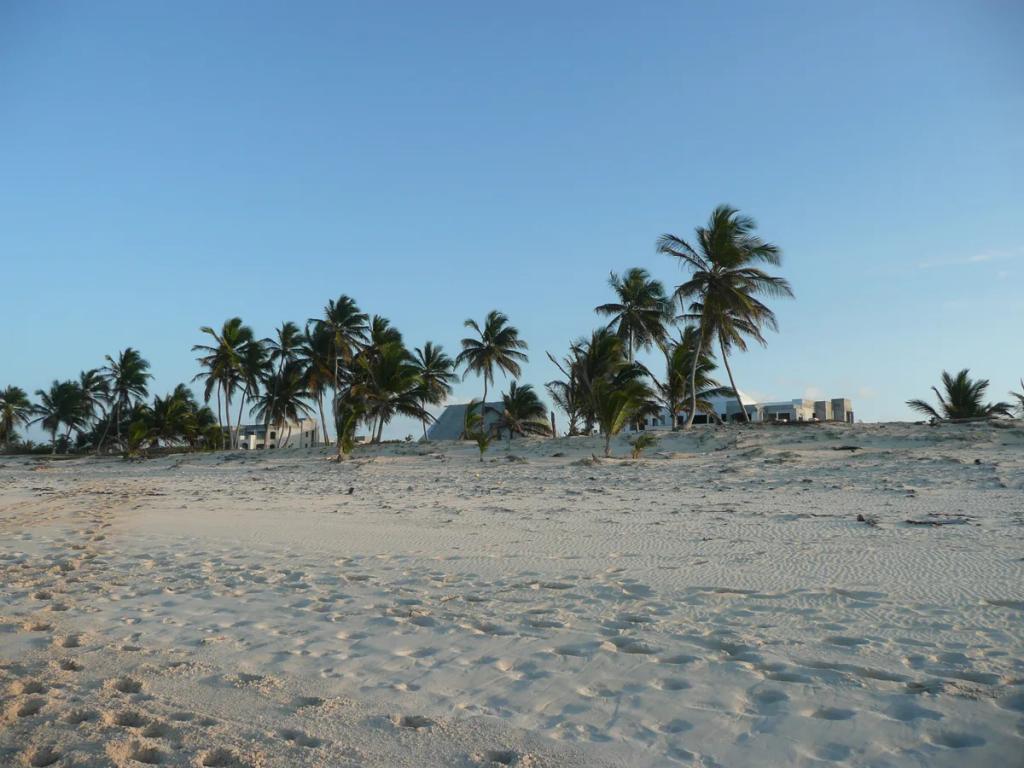
Punta Cana is really a 50-kilometer ribbon of resorts along the Dominican Republic's east coast, and the good news is that the mobile networks were built around exactly that ribbon. The country runs on three operators - Claro (the strongest), Altice, and Viva - and your eSIM connects through one of these as its host network. Along the hotel corridor from Cap Cana through Bavaro up to Uvero Alto, Claro and Altice deliver solid 4G, outdoors and on the beach included. This matters more here than in most destinations, because the alternative everyone assumes they will use - resort Wi-Fi - is the region's biggest connectivity letdown.
Here is the honest version: at many all-inclusives, the free Wi-Fi tier is genuinely good in the lobby and hit-or-miss everywhere else. Some properties reserve fast or property-wide Wi-Fi for premium room categories or a paid upgrade, and the signal rarely survives the walk from your building to a beach palapa. If your plan is "I'll just use the hotel Wi-Fi," expect to spend your week making video calls from a lobby armchair. With mobile data you stay online on the beach chair, at the swim-up bar, and on the taxi ride out - which is where you actually need it.
Coverage is resort-strip strong and excursion-route honest. The inland drive toward Higuey passes through countryside where signal thins to a bar or two, and buggy or safari tours that go properly rural can drop out entirely. The Saona Island day trip is the classic case: coverage fades on the boat crossing and is weak-to-absent at the sandbanks, so download offline maps and your booking confirmations before the catamaran leaves Bayahibe. Macao and Uvero Alto sit at the edge of the corridor - fine on the major networks, but the weakest zone for Viva.
- WhatsApp runs Punta Cana. Taxi drivers, excursion operators, spa desks and even some hotel concierges arrange everything by WhatsApp message - a working data connection is effectively your booking system here.
- Uber operates in Punta Cana, including airport pickups, though availability swings with demand and drivers may message you (on WhatsApp) to coordinate the pickup point. Ignore anyone inside the terminal offering "Uber" rides in person.
- Payments are two-track: resorts, malls and bigger restaurants take cards and tap-to-pay, and US dollars are accepted almost everywhere alongside the Dominican peso. Keep small cash for tips, beach vendors and roadside stops - that part of the economy is cash-only.
- Excursions are booked online: Saona catamarans, Scape Park tickets and airport transfers are cheaper reserved through apps or WhatsApp than through the resort excursion desk.
Punta Cana International (PUJ) is an open-air airport with thatched roofs - charming, and also a reminder you are outdoors, so there is no endless terminal Wi-Fi to lean on. Official airport taxis run on a fixed and fairly steep rate card, Uber is possible with the coordination caveat above, and most resort guests book transfers ahead by WhatsApp or email. All three options work better with data live the moment you land, which is why installing your eSIM before you fly is the move.
A resort week is light on map navigation but heavy on messaging, photo uploads and poolside scrolling. For most travelers 1GB per 2-3 days covers WhatsApp coordination, social posting and browsing comfortably. Add headroom if resort Wi-Fi pushes your video calls and streaming onto mobile data - which, per the trap above, it often will. Top up from your dashboard if the trip outruns the estimate.
Daytime is easy: swimwear, cover-ups and sandals, with reef-safe sunscreen doing the heavy lifting. Two things catch people out. First, air conditioning in restaurants, transfer vans and the airport runs cold - pack one light layer. Second, if your excursion includes the Basilica de la Altagracia in Higuey (many do), covered shoulders and knees are expected inside. Evenings stay warm, but some resort restaurants ask for long trousers at dinner. Downpours are brief; skip the rain jacket.
Punta Cana faces east, so the magic light is sunrise, not sunset - set an alarm once and shoot the empty beach in the first golden hour. The palm-overhang shot works best at Juanillo or Macao, where palms lean low over the sand: stand under the trunk line and shoot along the curve of the beach. On the Saona trip, the sandbank starfish photos are iconic - photograph them where they lie and do not lift starfish out of the water, even briefly; it harms them and guides will call it out. At Hoyo Azul, the cenote's blue is deepest with midday light overhead.
PUJ was the world's first privately built and owned international airport, opened in 1984 by Grupo Puntacana, with open-air terminals thatched in palm fronds. The whole region was essentially undeveloped jungle and fishing villages until developers began buying land here around 1970. And the Dominican Republic shares its island, Hispaniola, with Haiti - it is the Caribbean's second-largest island after Cuba.
Dominican Carnival fills February with parades, but the famous ones are in La Vega and Santo Domingo - Punta Cana itself stages only a smaller local version, so treat Carnival as a day-trip reason, not a resort spectacle. Semana Santa (Easter week) is the big domestic holiday, when Dominican families fill the public beaches and hotels run at peak. Year-round, merengue and bachata - both born here - are simply the ambient soundtrack, from resort bands to taxi radios.
The love is straightforward: postcard-turquoise water on white sand, all-inclusive ease where the hardest decision is pool or beach, and direct flights from dozens of North American and European cities. The gripes are real too. The resort bubble can feel interchangeable - many visitors leave without seeing anything Dominican beyond the staff. Vendor persistence on public stretches like Bavaro beach wears some people down, taxi prices are cartel-fixed and high, and sargassum seaweed is a genuine roll of the dice, typically heaviest from late spring through summer and lightest in winter. Resorts rake their beaches daily, but nobody can rake the ocean.
On the roads and in Bayahibe, mostly yes; on the water and at the sandbanks, expect little or nothing. Download offline maps, tickets and confirmations before departure and treat the boat portion as offline time. Inland buggy and safari routes are similarly patchy once you leave the main roads.
In the lobby, often yes. On the beach, at the pool and in the far room blocks, frequently not - and some resorts paywall the fast tier. Since WhatsApp is how taxis, excursions and even hotel services get arranged here, being offline between hotspots costs you real convenience.
You can, but airport and mall kiosks mean queueing with luggage, passport registration paperwork and tourist pricing. A data eSIM installed before you land works the moment the wheels touch down, keeps your home number live for bank codes, and takes minutes on any recent phone.