Nosy Be runs on Telma, Orange and Airtel, and your eSIM rides one of them as its host. Coverage around Hell-Ville, Ambatoloaka and the developed west coast is workable, and Malagasy mobile data is inexpensive. But this is a genuinely remote island off the northwest coast of the fourth-largest island in the world, and the honest framing is that connectivity, healthcare and logistics are all thinner here than almost anywhere else in this series. That is worth planning around rather than discovering.
More important here than anything to do with phones, and the reason to read this section first.
Madagascar is a malaria country, including Nosy Be, and the parasite here is resistant to older drugs. Antimalarial prophylaxis is standard advice for this island and should be arranged with a travel clinic well before departure, along with the usual vaccination review.
Bite avoidance still matters even on tablets: repellent with DEET, long sleeves at dusk, and a net if your room lacks screens.
Medical facilities are basic. There is care on the island for minor problems, but anything serious means Antananarivo or, realistically, evacuation abroad.
So get insurance with medical evacuation cover, and check the policy actually includes repatriation by air rather than merely treatment. This is not boilerplate advice here; it is the specific reason travel insurance exists.
Drink bottled or treated water, and be sensible about ice and raw salads outside good hotels.
Emergency response is slow and largely Malagasy-speaking. Your hotel is your first call in almost any situation, and a good one is worth paying for on exactly these grounds.
The currency is the Malagasy ariary (MGA), and it is effectively unobtainable outside Madagascar. You cannot arrive with it and you should not try to leave with much.
Bring euros to change. They are the most useful currency here, a legacy of the French connection, and are changed at banks, hotels and official bureaux.
This is a cash economy. Cards work at the larger hotels and a handful of restaurants, and nowhere else with any reliability.
ATMs exist in Hell-Ville and can be out of cash or out of service. Do not build a week around one machine.
Note denominations are large and you will be carrying thick wads of notes. That is normal.
Agree prices before anything happens - taxis, boat trips, guides, excursions. This is expected rather than adversarial.
The west coast strip - Hell-Ville, Ambatoloaka, Madirokely - has usable coverage and this is where nearly all accommodation sits.
Mount Passot and the crater lakes in the interior are patchy.
The outer islands are the real gap. Nosy Komba, Nosy Tanikely, Nosy Iranja and the Mitsio and Radama archipelagos have very little to nothing. A day trip out there is a day offline.
Lokobe Reserve, the remnant primary forest on the southeast of the island, has essentially no service, which is entirely appropriate to the experience.
On the water generally. Boat transfers between islands cross open sea and drop out. Boats here are small, schedules are informal, and sea conditions change - so tell your hotel where you are going and when you expect to be back, because your phone will not be doing that for you.
Power cuts affect the network. Outages are frequent on the island and not every mast has generous backup, so a long cut can thin coverage as well as the lights.
Mora mora means slowly, slowly, and it is the organising principle of Malagasy life. It is not laziness and it is not aimed at you.
Boats leave when they leave. Transfers, excursions and internal flights run late as a matter of routine.
Internal flights are the fragile link. Connections through Antananarivo are frequently rescheduled, and building a tight international connection on the back of one is a bad idea. Leave a night's buffer at the end of a trip.
Nothing is gained by hurrying it, and visitors who arrive with a stopwatch have a worse time than those who do not.
- Maps with offline copies, downloaded before you arrive. Mapping data for Madagascar is thinner than you are used to and coverage is unreliable in the interior.
- WhatsApp, which is how hotels, guides, boat operators and taxis all communicate.
- A translation app with French downloaded offline. French is the working language of tourism; Malagasy is what people speak among themselves, with the local Sakalava dialect on this coast. English is limited outside the better hotels.
- A currency converter, because ariary denominations are large and the arithmetic is easy to fumble.
- A tide and weather app for boat days.
Fascene Airport (NOS) sits on the island itself, about 12 km from Hell-Ville.
Some seasonal direct flights operate from Europe, principally Italy and France, which is what makes Nosy Be reachable as a beach holiday at all. Otherwise you connect through Antananarivo, which usually means a domestic flight and often an overnight in the capital.
Transfers are arranged by your hotel in nearly all cases and this is the sane option. Taxis exist and want negotiating.
Around the island, taxis, hired drivers and tuk-tuks cover the west coast. Roads are rough away from the main strip and a 4x4 makes a difference. Boats handle everything offshore.
Modest, and offline preparation matters more than the allowance. Hotel wifi exists along the west coast and ranges from decent to ornamental. Download maps, translation packs and anything you need to read before you arrive, and treat the day trips as genuinely disconnected.
Light, loose, quick-drying clothes. It is hot and humid year-round.
Long sleeves and trousers for dusk, which is the mosquito-avoidance measure that actually works.
Modest dress in Hell-Ville and the villages. Beachwear belongs on the beach; the towns are working places and Malagasy dress is conservative.
Reef shoes. Coral, sea urchins and rocky entries are common.
Strong reef-safe sun protection. You are near the equator and the sea breeze disguises it.
A light rain layer in the wet season, though if you are here in February you have larger problems than dampness.
Something for the boat - a dry bag is the single most useful thing you can pack for this island.
Nosy Iranja, the sandbar island joined to its neighbour by a tidal spit of white sand, which is the image that sells Nosy Be.
Lemurs at Lokobe or on Nosy Komba, where black lemurs will come to your shoulder. Feed them only what a guide provides.
Mount Passot at sunset, over the volcanic crater lakes to the sea.
Nosy Tanikely's marine reserve, for turtles and reef fish in very clear water.
The ylang-ylang plantations and distilleries, with their strange bent trees.
Hell-Ville's colonial waterfront, faded and photogenic, with the market behind it.
Humpback whales between July and September, which migrate through these waters and are watched from small boats.
Whale sharks from around October to December, off the west coast, which is one of the more reliable places in the world to snorkel with them.
Nosy Be means big island in Malagasy, which is straightforward and slightly funny given it is small.
It is called the perfumed island for the ylang-ylang grown here, whose oil is a base note in a great many classic perfumes. On a warm evening you can smell it on the road.
Madagascar's wildlife is around 90% endemic - found nowhere else on earth. The island separated from other landmasses so long ago that evolution simply went its own way, which is why lemurs exist here and nowhere in the wild beyond.
Hell-Ville is not sinister. It is named for Admiral de Hell, a nineteenth-century French governor, and the Malagasy name is Andoany.
Madagascar produces the large majority of the world's natural vanilla, from the SAVA region on the northeast coast, and the crop is valuable enough to be guarded.
And the Malagasy language is Austronesian, most closely related to a language spoken in Borneo, some 7,000 km away - the trace of an extraordinary ancient sea migration across the Indian Ocean.
The dry season, May to November, is the season, and everything else follows it.
Whale watching, July to September, when humpbacks pass through.
Whale sharks, roughly October to December, off the west coast.
Donia, the music festival held on Nosy Be around May or June, which is the biggest cultural event in the north and genuinely worth timing a trip around.
Cyclone season runs January to March, when rain is heavy, seas are rough, many hotels and operators close, and travel disruption is common. This is a period to avoid rather than to negotiate.
The love: Nosy Be gives you an accessible way into one of the most biologically extraordinary places on earth. The water is warm and clear, the reefs and the marine life are excellent, the whale and whale shark seasons are world-class, and lemurs are half an hour away. It is warm, unhurried and genuinely beautiful, and the sense of being somewhere far from everything is not manufactured.
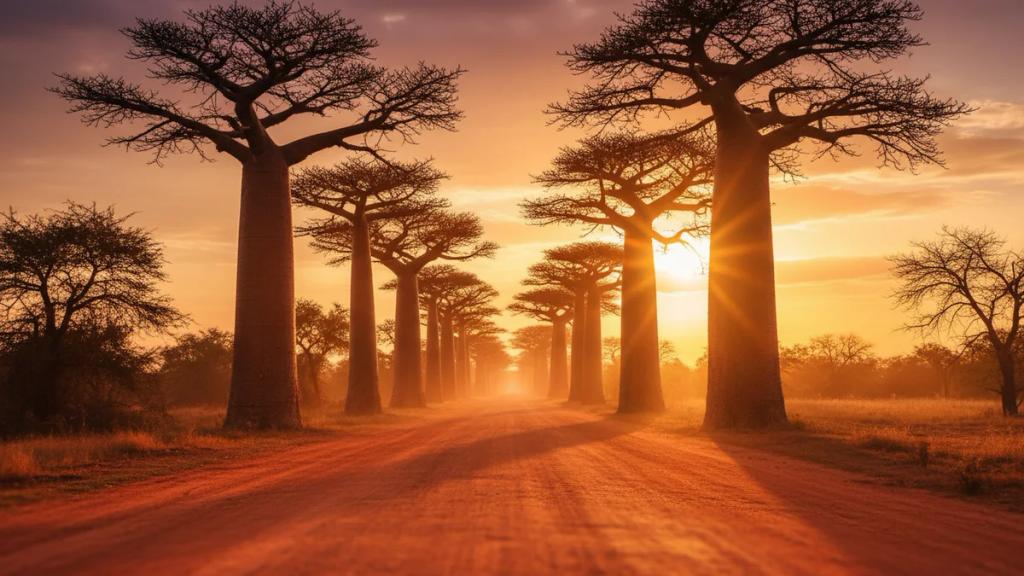
The complaints are consistent and some are serious. Getting here is hard, and internal flights are unreliable. Poverty is severe and visible, and the gap between the resorts and the villages around them is stark. Prostitution and sex tourism have a real presence in parts of Ambatoloaka, which many visitors find grim and which is worth knowing before booking there. Infrastructure is weak, with frequent power cuts and rough roads. Medical care is limited. And the island is not Madagascar - the great national parks and the baobabs are a long way south, and Nosy Be is a beach destination attached to a country most of its visitors never see.
Come in the dry season, sort the malaria tablets and the evacuation insurance early, take the boat to Tanikely and Iranja, and if you have two more weeks, go and see the mainland.
Along the developed west coast - Hell-Ville, Ambatoloaka, Madirokely - generally yes, and mobile data is cheap. The interior is patchy, the outer islands and Lokobe forest have essentially nothing, and boat crossings drop out. Power cuts can also thin coverage. Download offline maps before you arrive.
Yes, this is a malaria area with drug-resistant strains, and prophylaxis is standard advice for Nosy Be. Speak to a travel clinic well before you fly, and use repellent and cover up at dusk regardless of tablets.
Euros, to change into Malagasy ariary once you arrive - the ariary is effectively unavailable outside Madagascar. This is a cash economy: cards work at larger hotels and little else, and the ATMs in Hell-Ville can be empty or offline. Agree prices for taxis, boats and guides in advance.
More than in most places on this list. Medical facilities on the island are basic, anything serious requires the capital or evacuation abroad, and emergency response is slow. Check your policy explicitly covers medical evacuation and repatriation, not just treatment.